Be Inspired
Weekly Parsha
A Tzedakah perspective on each week’s Torah portion — practical insights that connect learning to giving.
15 parshot

How Tzedakah Can Heal Relationships: Insights from Yaakov & Esav
Yaakov’s reunion with Esav in Parashat Vayishlach reveals the healing power of tzedakah. Through thoughtful giving, Yaakov softens Esav’s heart and turns years of tension into reconciliation. The story teaches that tzedakah is not only material support, but a powerful tool for restoring trust, repairing relationships, and bringing peace.
Read →
The Ladder of Giving: Yaakov’s Vow in Parashat Vayetzei
Yaakov’s vow at Beit-El—the Torah’s first personal pledge of giving—turns wealth into sacred trust, teaching that tzedakah is partnership with God.
Read →
Yitzchak’s Wells in Parshat Toldot—The Power of Tzedakah
Yitzchak’s wells in Parashat Toldot are more than sources of water—they are a model of tzedakah and shared blessing. By reopening old wells and digging new ones, Yitzchak teaches that sustenance, both material and spiritual, is meant to flow outward to sustain a community. True blessing comes when we create “room” for others to thrive.
Read →
Avraham’s Purchase of the Cave of Machpelah: The Foundation of Honest Tzedakah
Avraham’s purchase of the Cave of Machpelah is more than a burial story—it is a lesson in honest tzedakah. By insisting on paying full price with transparency, Avraham teaches that true righteousness begins with integrity. Tzedakah is not only about giving, but about fairness and honesty in all we do.
Read →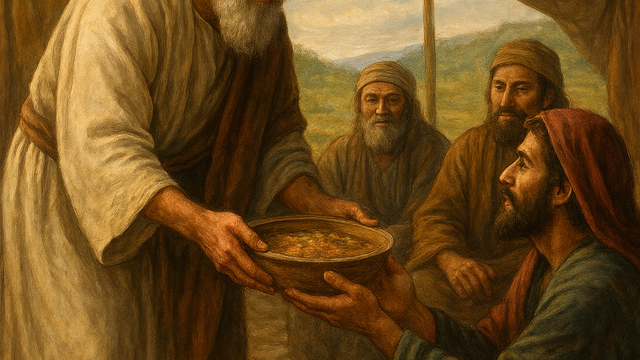
Avraham’s Famous Hospitality in Parshat Vayeira: The Blueprint for Jewish Giving
In Parshat Vayeira, one of the most vivid displays of human compassion in the Torah unfolds: Avraham’s famous hospitality to three unexpected visitors. The Torah describes:
Read →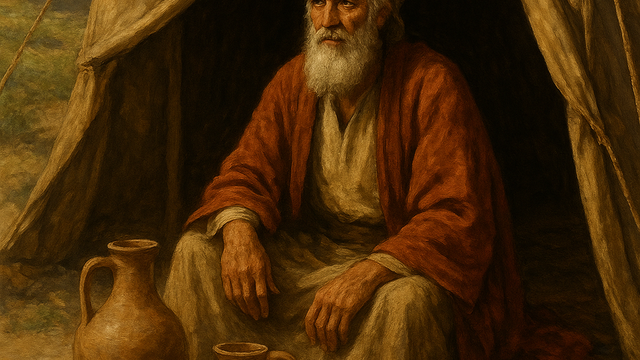
Lech Lecha — Avraham’s Journey and the Birth of Jewish Generosity
When Hashem calls to Avram (soon to be renamed Avraham) in Parashat Lech Lecha, the Torah begins not just the story of the Jewish people, but the story of Jewish generosity. Before there are commandments or rituals, there is a simple yet radical act: a person leaves the familiar and steps into the unknown, trusting that life’s purpose lies not in holding on, but in giving outward.
Read →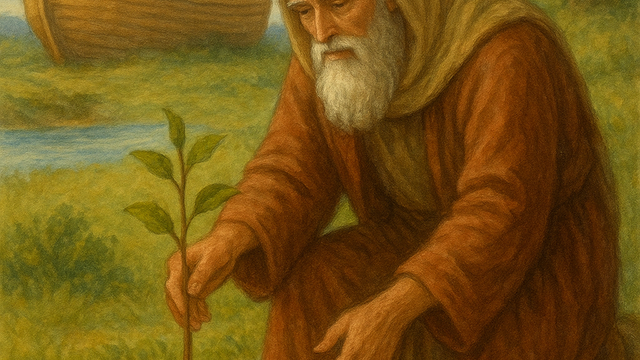
The World Is Built Through Kindness — Olam Chesed Yibaneh
When the Torah describes the world in the days of Noach, it paints a dark picture: “The earth became corrupt before G-d; the earth was filled with lawlessness.” (Bereishis 6:11)
Read →
Tzelem Elokim and Tzedakah in Parashat Bereishit
At the very beginning of the Torah, before there were commandments, covenants, or chosen nations, we encounter a simple yet profound declaration about what it means to be a human:
Read →
The Tanya on Charity in Times of Hardship
In one of the most moving letters of the Iggeret HaKodesh, Chapter 16, the Baal HaTanya speaks to a community struggling with poverty. His words are not merely historical counsel but an eternal call, addressing the tension we all feel between limited means and unlimited responsibility. Even during times of hardship, he insists, the obligation to give tzedakah—charity—does not disappear. Rather, this act of compassion deepens.
Read →
When and How Charity Can Be Reallocated According to the Talmud
Money given to tzedakah carries with it both holiness and responsibility. It is pledged to the poor, to Torah, to communal needs—and yet, in the sugya of Arakhin 6a–6b, the Gemara explores whether charity can be reallocated, borrowed, or even replaced, or if such funds are absolutely fixed for their designated use. The discussion is both technical and deeply philosophical, touching on the nature of vows, ownership, and the sacred trust of giving.
Read →
Tzedakah’s Mystical Power in the Tanya: The Cosmic Chainmail
In the teachings of the Baal Hatanya, Rabbi Shneur Zalman of Liadi, tzedakah (charity) isn’t just about giving money; it’s presented within a unique and intricate mystical framework in Part IV (Chapter 3) of the Tanya, called Igeret HaKodesh. This chapter dives deep into the spiritual workings and cosmic effects of giving, showing tzedakah as a powerful action that truly impacts both the spiritual and physical worlds creating a protective barrier like a cosmic chainmail suit or armor. The Baal Hatanya starts by referencing a pasuk and its commentary, then carefully reveals the inner dimensions of this crucial commandment and the vast scope of Tzedakah’s mystical power.
Read →
3 Lessons on Proper Tzedakah Giving: The Story of Nakdimon ben Gurion
In the tapestry of Jewish thought, tzedakah is not only a legal obligation—it is a mirror of the human soul. Through giving, we reflect divine mercy, uphold human dignity, and participate in the unfolding of redemption. But what happens when giving dries up—when generosity meets skepticism, or when wealth disappears overnight?
Read →